Japanese string instrument shamisen
Also known as the "Japanese Sanxian", it is a traditional Japanese string instrument that originated in China and later spread to Japan. Composed of a flat wooden resonance box, a long neck, and three strings. The playing style of shamisen is unique, and performers usually use plectrum to play, producing crisp and pleasant sounds. The shamisen plays an important role in Japanese culture, especially in Kabuki, Bunroku (puppet theater), and traditional Japanese music forms such as "Tokugawa" and "Nagao", where it is an indispensable accompaniment instrument. It is a symbol of Japanese music culture, and shamisen is not only one of the representatives of traditional Japanese crafts.

Japanese Screen - Xiangyun
Also known as "screen painting" or "screen", it is an important form of traditional Japanese art. Originating in China, it later spread to Japan and gradually developed a unique Japanese style. It is usually composed of multiple connected screens that can be folded and unfolded for easy carrying and storage. The materials of screens are diverse, including paper, silk, wood, etc. They are often painted with patterns of mountains, rivers, flowers, birds, and figures, reflecting Japan's natural scenery and cultural characteristics. Although the practicality of screens has weakened, their artistic and decorative qualities are still loved by people.

Japanese Screen - Flower Butterfly
Also known as "screen painting" or "screen", it is an important form of traditional Japanese art. Originating in China, it later spread to Japan and gradually developed a unique Japanese style. It is usually composed of multiple connected screens that can be folded and unfolded for easy carrying and storage. The materials of screens are diverse, including paper, silk, wood, etc. They are often painted with patterns of mountains, rivers, flowers, birds, and figures, reflecting Japan's natural scenery and cultural characteristics. Although the practicality of screens has weakened, their artistic and decorative qualities are still loved by people.
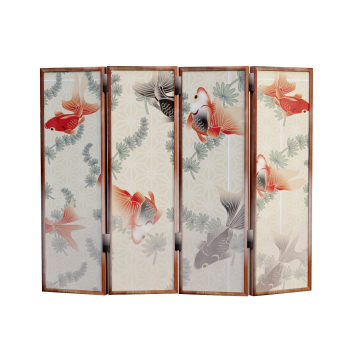
Japanese Screen - Goldfish
Also known as "screen painting" or "screen", it is an important form of traditional Japanese art. Originating in China, it later spread to Japan and gradually developed a unique Japanese style. It is usually composed of multiple connected screens that can be folded and unfolded for easy carrying and storage. The materials of screens are diverse, including paper, silk, wood, etc. They are often painted with patterns of mountains, rivers, flowers, birds, and figures, reflecting Japan's natural scenery and cultural characteristics. Although the practicality of screens has weakened, their artistic and decorative qualities are still loved by people.
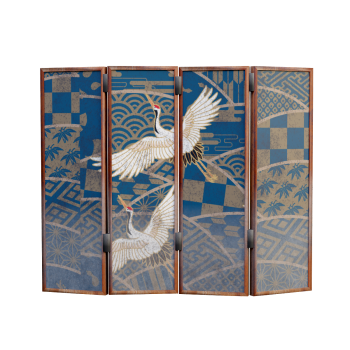
Japanese Screen - Red crowned Crane
Also known as "screen painting" or "screen", it is an important form of traditional Japanese art. Originating in China, it later spread to Japan and gradually developed a unique Japanese style. It is usually composed of multiple connected screens that can be folded and unfolded for easy carrying and storage. The materials of screens are diverse, including paper, silk, wood, etc. They are often painted with patterns of mountains, rivers, flowers, birds, and figures, reflecting Japan's natural scenery and cultural characteristics. Although the practicality of screens has weakened, their artistic and decorative qualities are still loved by people.
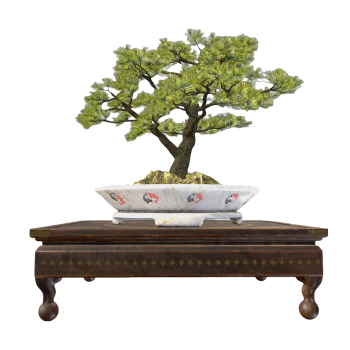
Welcoming Guest Pine Bonsai
It is a bonsai art form based on pine trees, originating in China and having a long history and profound cultural heritage. Symbolizing the resilience and longevity of pine trees, it symbolizes welcoming guests, friendliness, and longevity. Usually, pine plants such as five needle pine and black pine are selected. These tree species are characterized by strong and vigorous branches, emerald green needles, and elegant shapes. It is a bonsai form that combines ornamental, artistic, and cultural elements. Not only can it beautify the environment and enhance the style of the space, but it can also convey the friendliness and enthusiasm of the owner, which is a unique artistic expression in Chinese culture.
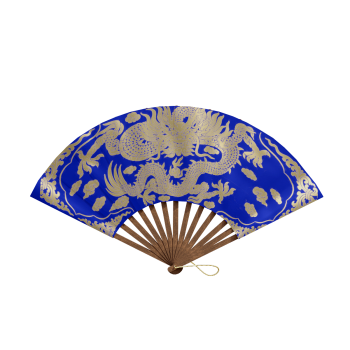
Chinese folding fan dragon fan
It is a traditional handicraft with a long history and profound cultural heritage. Originating in China, it later spread to Japan, Korea, and other places, becoming an indispensable part of East Asian culture. Made of bamboo, paper, silk and other materials, the fan is painted with exquisite patterns, usually with the image of a Chinese Loong, which shows the exquisite skills of traditional Chinese painting. In ancient times, it was often used as a decoration for literati and scholars, symbolizing identity and taste. The patterns and calligraphy on the fan often contain rich cultural meanings and philosophy, reflecting the user's cultivation and sentiment. Carrying the rich history and culture of the Chinese nation.

Popular Models
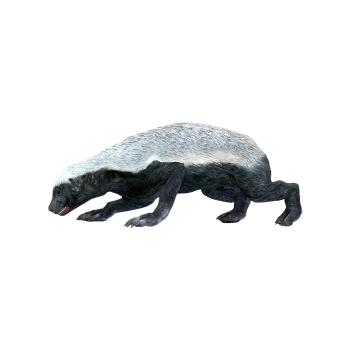
Honey Badger (3D animated model)
192 View
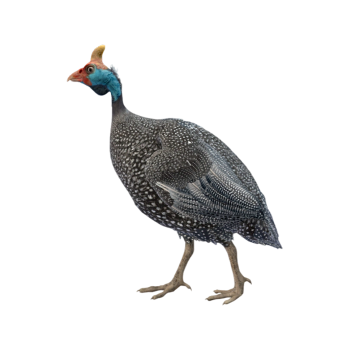
Guinea fowl (3D animated model)
163 View

Wild Goose (3D animated model)
185 View

Red Fox (3D animated model)
153 View